
Throughout our universe, including our own solar system, there are many Earth-like planets having solid cores that could reveal to us the fascinating secrets of worlds built from stone and fire. We explore more of these truths in the following sections.
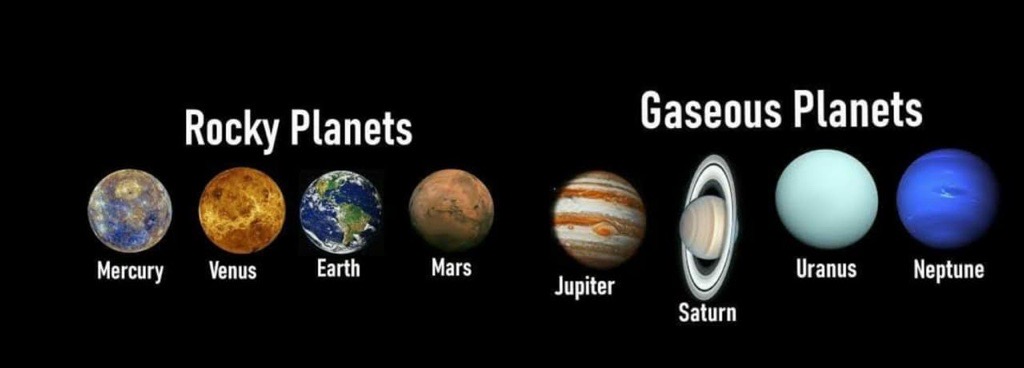
What are Rocky or Terrestrial Planets and how are they formed?
As the name suggests, Rocky, also known as Terrestrial Planets, are worlds made mostly of rock and metal, with solid surfaces unlike the gaseous giants. The size of these planets may vary from 2 times the Earth’s size to Earth-sized or even smaller. These may or may not have atmospheres.
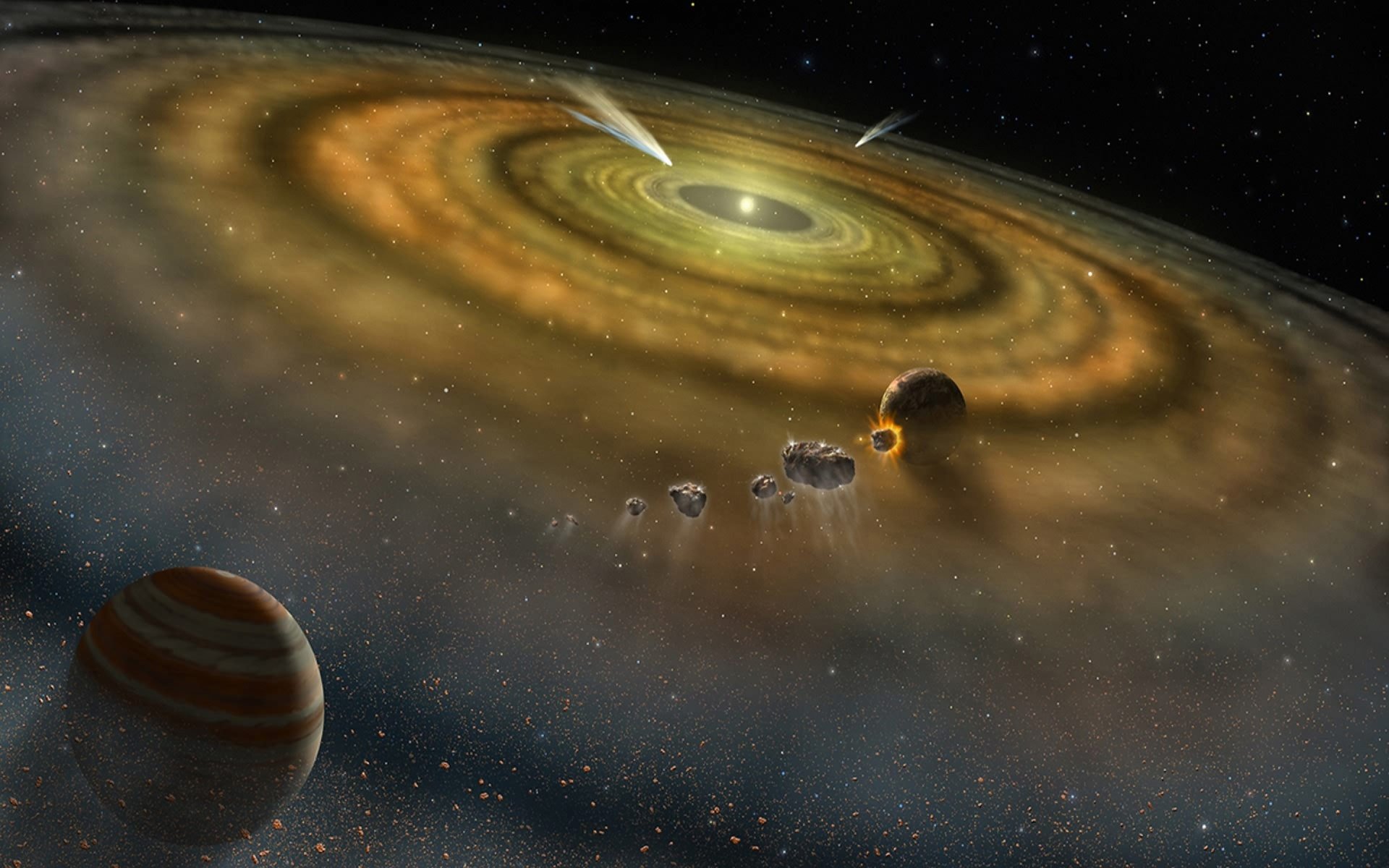
Rocky planets form in the inner parts of star systems. It all begins with the microscopic dust in a young star’s protoplanetary disk. As the time goes by, these dust grains collide and merge into pebbles, which grow into larger rocks called planetesimals (kilometre-scale bodies). As gravity and collisions continue, these small bodies accumulate further to form planetary embryos.
Due to the hot closer region of the star disk, these embryos further merge into full planets with solid surfaces. The disk is warm enough that ice cannot form and fewer volatile materials are available , favouring the rocky planets having solid surfaces and not a thick hydrogen atmosphere.
It takes about tens of millions of years for the rocky planets to form after a star is born and there are about billions rocky planets in our galaxy.
Characteristics of rocky planets
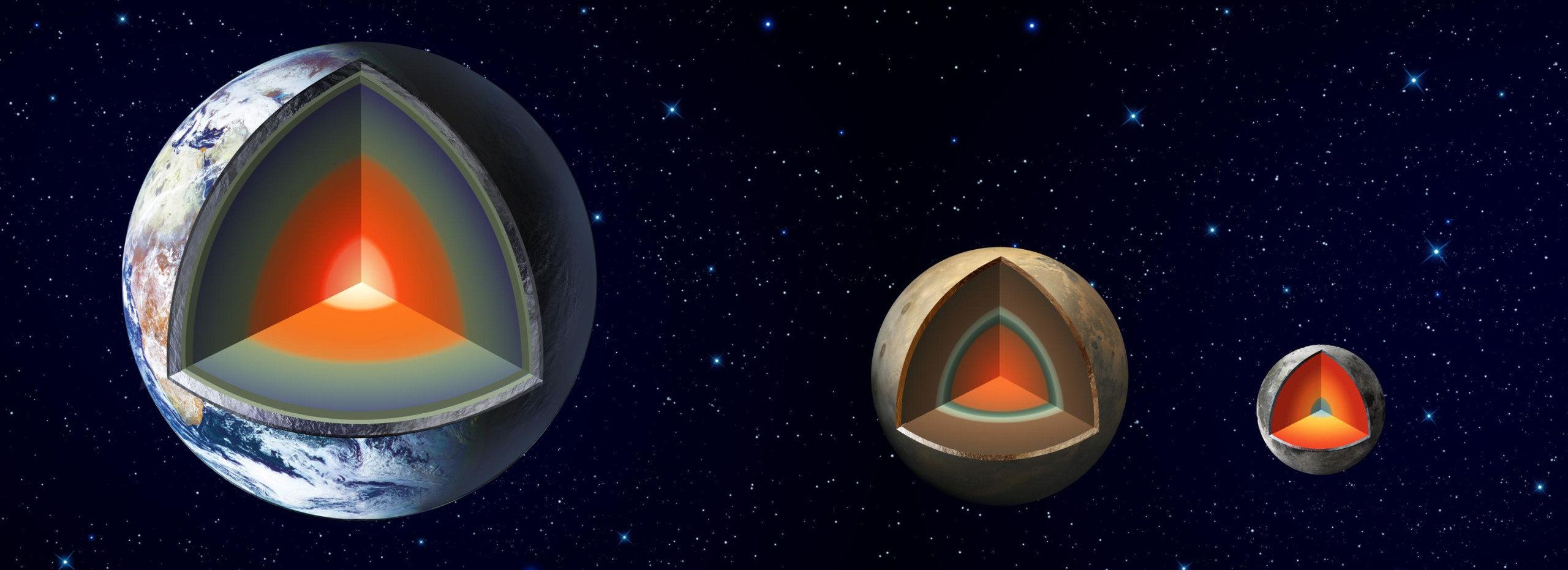
The mass and composition of these planets depends on how much solid materials they can gather and the overall chemistry of the protoplanetary disk. But no matter what size they are , all of them have broadly 3 layer structure – a light colored silicate crust , a middle rocky mantle and a dense iron-rich core and the thickness of each of these layers vary planet to planet.
Due to their solid nature , terrestrial planets usually have high densities and they allow for geological activities like volcanoes and quakes. The presence or absence of atmospheres on these planets is also affected by factors like magnetic fields and their proximity to the stars.
Rocky planets of Solar Systems
Our own solar system is home to 4 rocky planets, Earth, the beautiful planet in which we live, being one of them along with Mercury, Venus and Mars. We look at the unique facts and characteristics of each of these planets
Mercury
Mercury is a tiny (radius approximately 2440km) but very dense planet. NASA MESSENGER, a spacecraft that orbited Mercury to examine and collect data , shows that its iron core takes up about 85% of its radius and in fact its core is still at least partly liquid despite its small size. It has a solid iron-sulphide outer core layer and a thin silicate mantle and crust. It has the largest iron-to-silicate ratio.
Since Mercury is so small and hot , most of its volatiles and gases are lost and it has no real atmosphere. Solar heating and wind blew all of them long ago. It just has an extremely thin and weak exosphere of atoms (oxygen, sodium, etc) knocked off its surface. Without an atmosphere Mercury’s daytime temperature soars up to 430 degree C and its night time temperature goes to -180 degree C.
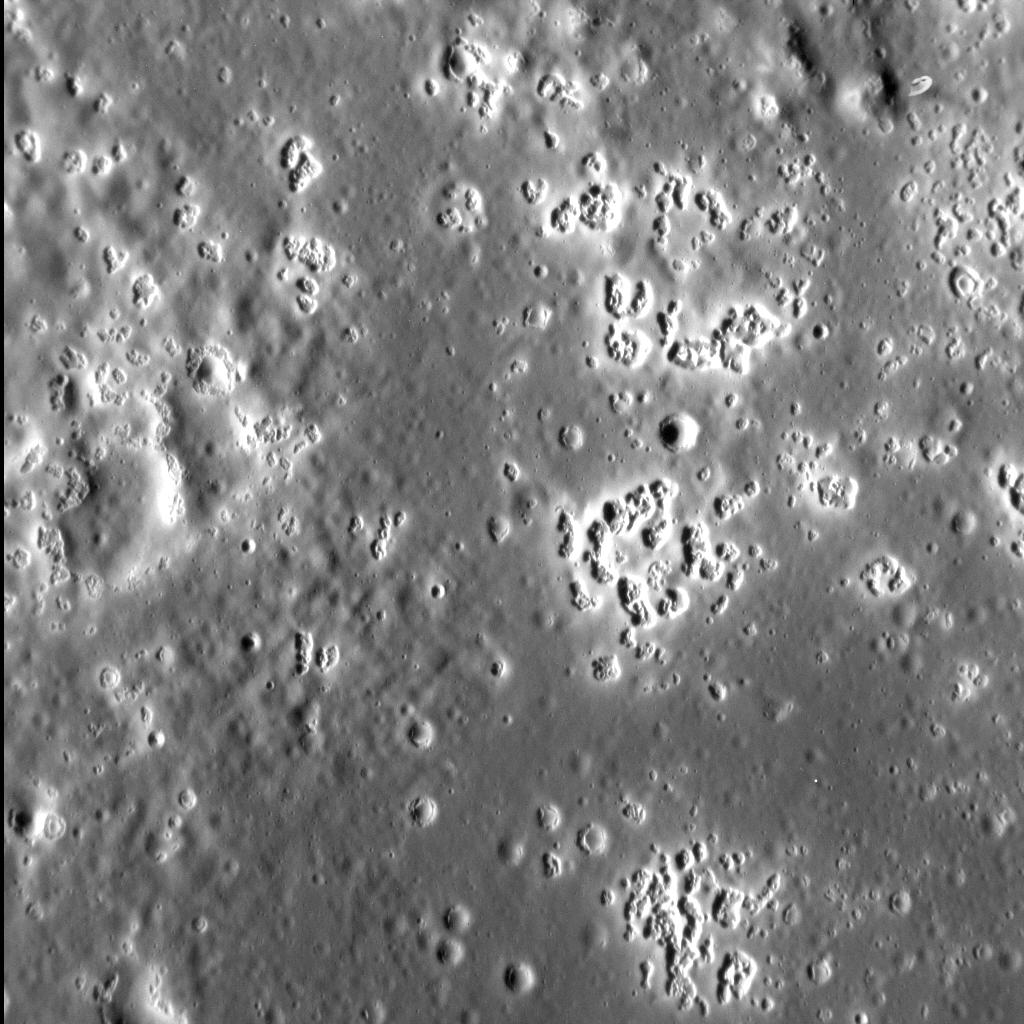
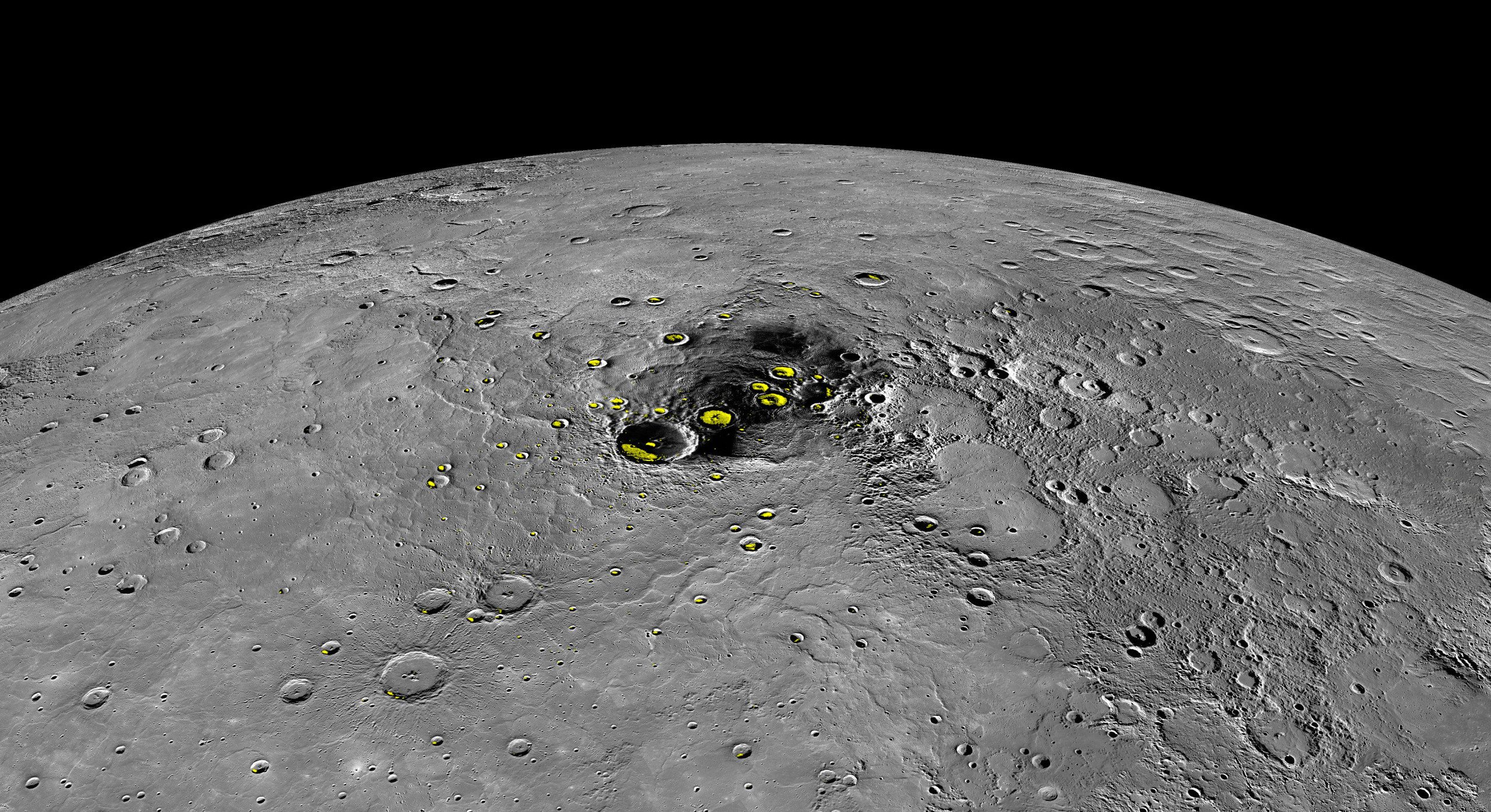
Mercury has no moons and its surface is cratered and smooth in places with evidence of ancient volcanic plains , mysterious “hollows” and polar water ice deposits in the shadowed craters.
Venus
Venus size is nearly the same as Earth (0.949 Earth radii and 0.815 Earth mass). It also has a 3 layered structure of interior core , mantle and crust. Some of the recent Venus missions hint that it has an iron core and maybe a small core dynamo but it does not generate a strong magnetic field like Earth’s core.
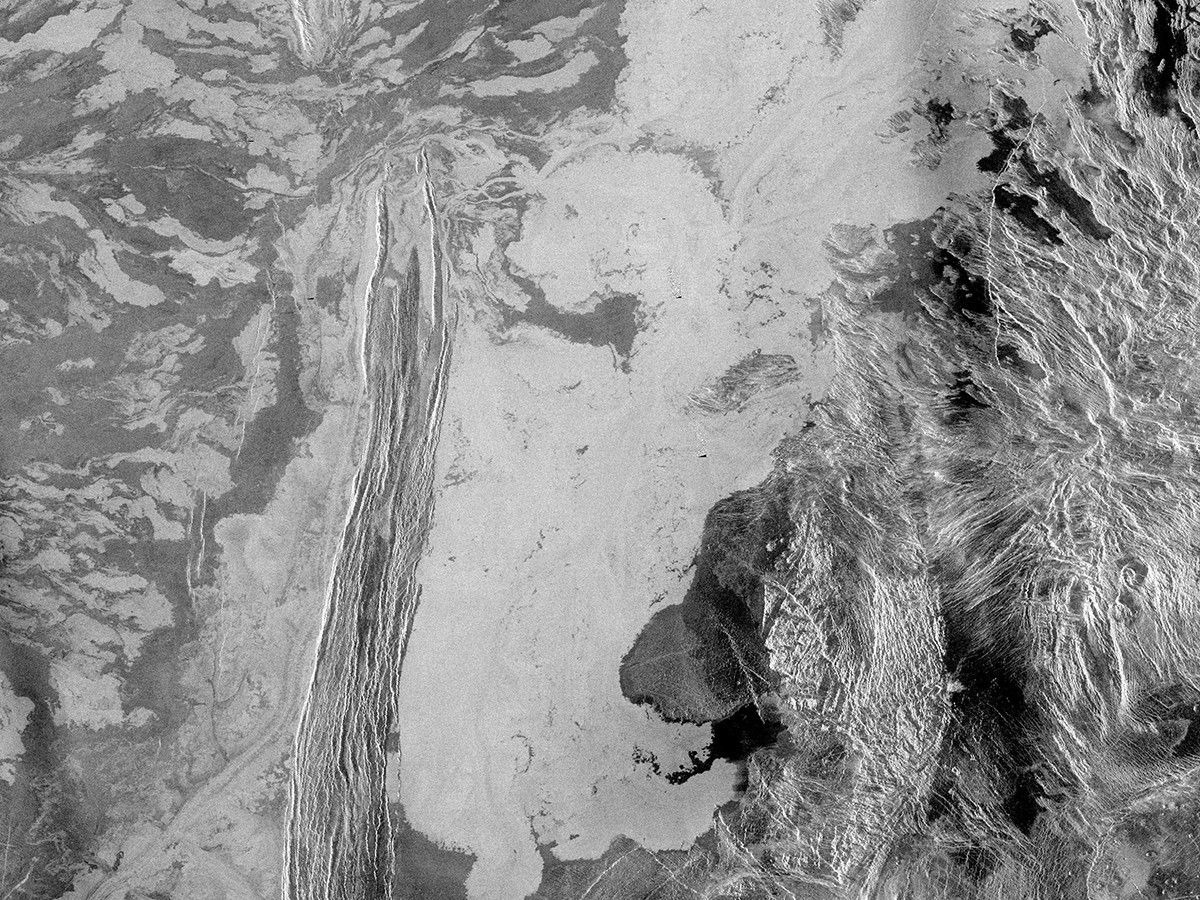
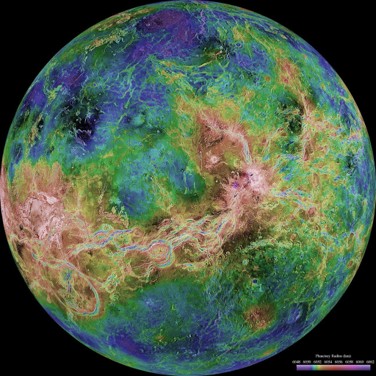
Venus has many volcanoes and its surface is shaped by lava flows and unique “tessera” highlands (large regions with heavy cracks and folds). It has the densest of atmospheres with about 92 times that of Earth’s atmospheric pressure at the surface. It is mostly carbon dioxide (CO2) , with thick sulfuric aid clouds. This leads to an extreme greenhouse effect with surface temperature reaching 460 degree C. Its atmosphere is corrosive , opaque and has a mysterious chemical haze which absorbs UV light from the Sun.
Venus spins very slowly and retrograde , a day is longer than a year. Some of the recent studies suggest that Venus once had liquid water and a thinner atmosphere long ago but now it’s often called Earth’s “Hellish Twin”.
Some future missions like VERITAS by NASA and EnVision by ESA aim to understand more of Venus’s geology.
Earth
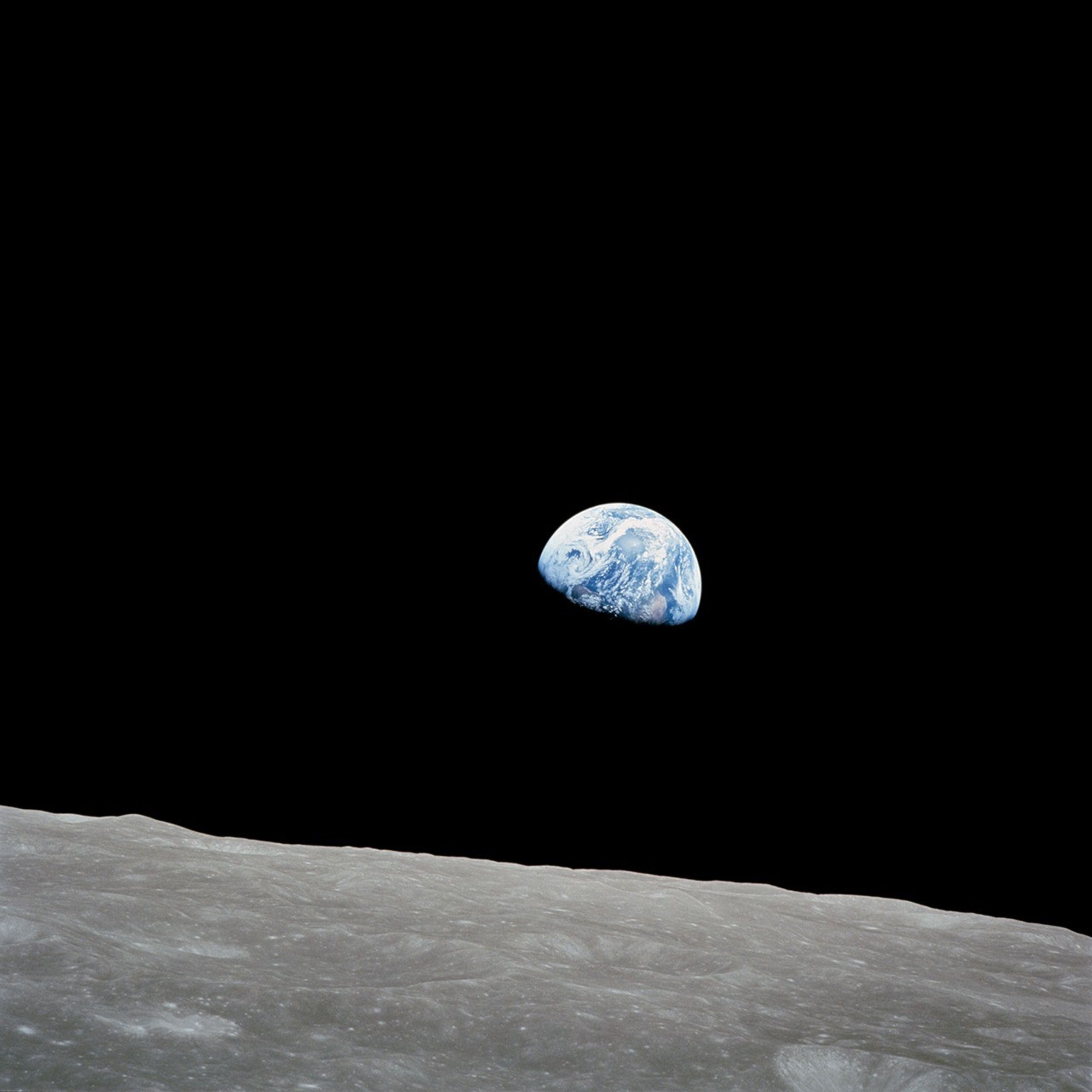
Earth, our home , is the benchmark for rocky planets. Any comparison of rocky planets uses Earth as the standard for size and composition. It has an iron-nickel core (radius approximately 1220km) and outer core ( approximately 2300 km thick) and a viscous silicate mantle ( approximately 2900 km thick) and a rocky crust ( approximately 30 km on average). Its overall radius is 6371 km making it the largest rocky planet in the solar system.
Its atmosphere is rich in Nitrogen (78%) and Oxygen(21%). It is thin in mass (surface pressure 1 bar) but it is crucial for climate and life. It is unique for abundance of liquid water , plate tectonics and geological activity. It has a hot convecting mantle and a magnetic field from the liquid iron outer core.
Our beautiful planet formed 4.5 billion years ago and till date remains the only known life-harbouring planet.
Mars
Mars is about half the size of Earth ( radius approximately 0.533 Earth radii ) and just 0.107 Earth masses. NASA data show Mars also has a dense iron-nickel-sulfur core (radius of 1500-2100 km) , surrounded by a thick rocky mantle and a crust 10-50 thick. Mars lost all its global magnetic field but only has a remnant crustal magnetic field.Its gravity is only 38% of Earth’s gravity.
It only has a thin atmosphere and is mostly CO2 with traces of Nitrogen and Oxygen. The sky is pinkish from dust and it cannot hold much heat due to the thin atmosphere layer. Days are mild but nights go down to be very cold.
Mars was once warm and wet , with rivers , lakes and maybe even oceans. But today it is a cold desert. Its surface has the solar system’s largest volcano (Olympus Mons) and canyon (Valles Marineris). Nasa rovers have shown Mars still has subsurface ice , occasional frost and even brief salty liquid flows. It has two tiny moons (Phobos and Deimos) which are the primary target for human exploration.
Mangalyaan , India’s first mission to another planet , developed and launched by ISRO, also helped in photography and studying Mars’s atmosphere, surface and its moons.

Rocky exoplanets and their detection
Over the past few decades , astronomers have discovered thousands of rocky planets orbiting other stars. These are also called rocky exoplanets. They are all similar in size to Earth. We will look at some of the important ones starting with the
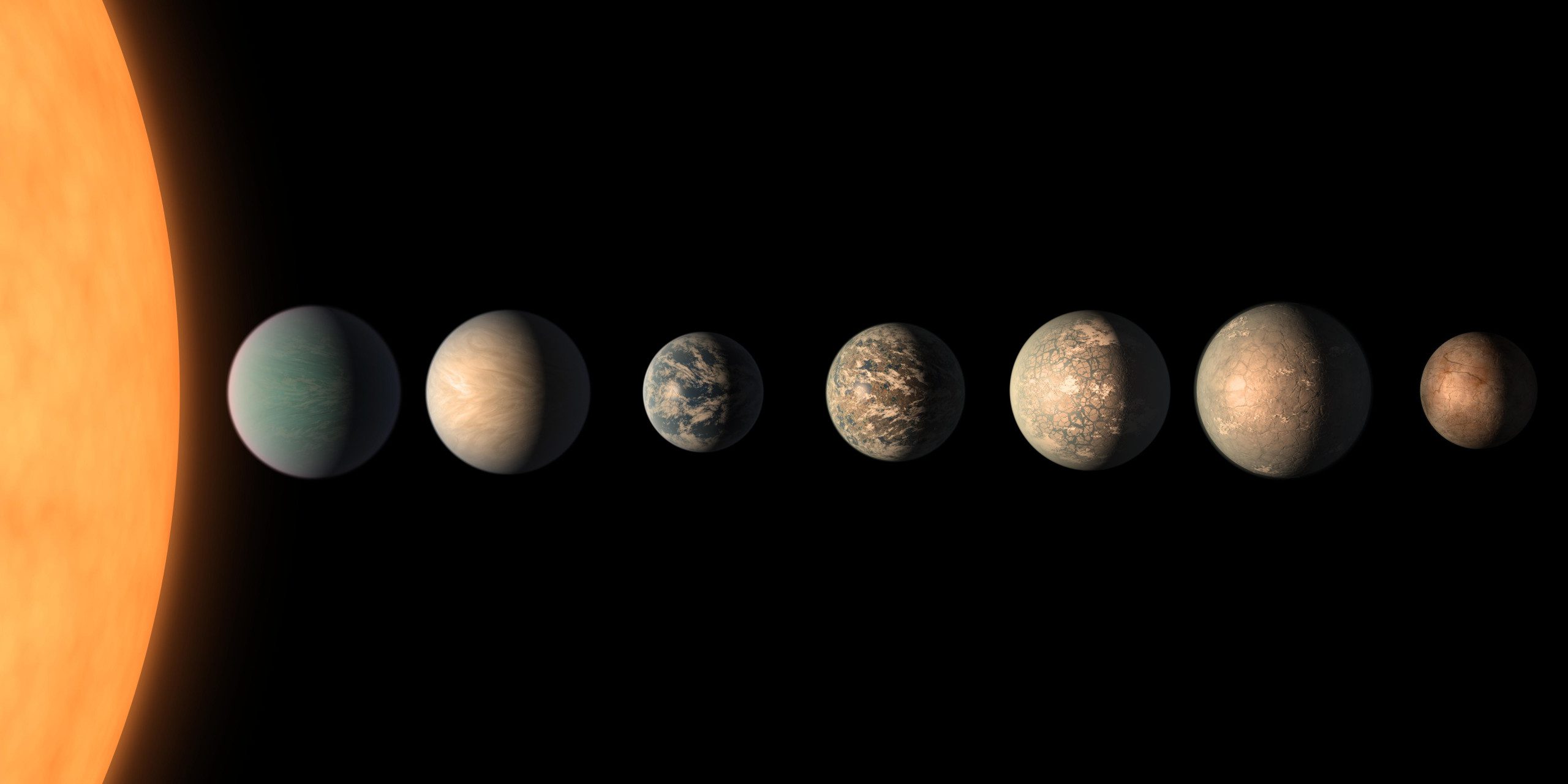
TRAPPIST 1 b to g system about 40 light years away , these are earth-sized planets orbiting a small red dwarf star. Three of the planets in the system lie in the habitable zone , but as the red dwarfs emit intense UV flares the atmospheres of these planets are stripped off.
GJ 1132b is another exo-planet which is about 41 light years away from Earth and has 1.8 times the mass of Earth. It has lost its original atmosphere and developed a new one.
GJ 486b a hot rocky planet , 30 light years away from us , has been studied with JSWT for possible signs of water vapours
Another exoplanet TOI-561 b, 280 light years away from us , is expected to have a volatile rich atmosphere.
55 Cancri e , a lava world super earth very close to its star, is the best evidence to date for any rocky exoplanet having an atmosphere outside our solar system.
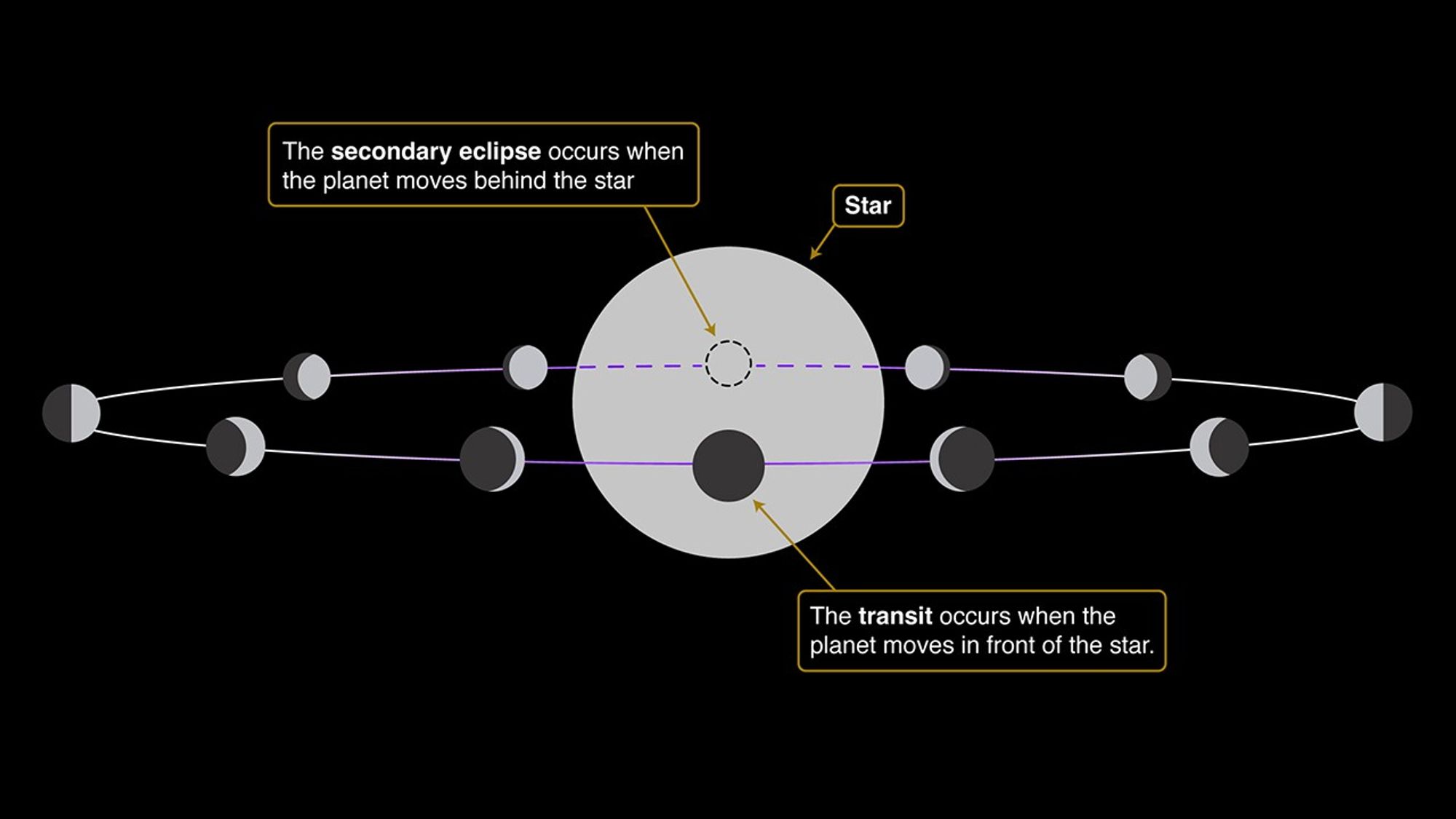
Above were examples of some of the rocky exoplanets , there are a lot more in our universe than these which astronomers have found. Finding an exoplanet is not easy because a planet is much smaller and fainter than the star it orbits. There are some ways to detect these
One of which is the transit method , when a planet passes in front of a star , it blocks a tiny amount of starlight , by repeatedly looking at this small dip in brightness , scientists can estimate the planet’s size and orbit
Another technique is the radial velocity method , a planet’s gravity causes its star to move slightly as both orbit their common centre of mass . This tiny movement can be detected by studying changes in the star’s light (doppler effect).
Space missions such as Kepler and TESS have used these methods to discover thousands of exoplanets.
Some latest discoveries
Mercury’s hidden water ice
MESSENGER – 2012
One of the most surprising planetary discoveries: water ice exists inside permanently shadowed craters near Mercury’s poles, despite the planet being closest to the Sun.
Mars once had long-lasting lakes and habitable environments
Curiosity/Mars orbitors – 2010s
Evidence from rocks, minerals and ancient landscapes showed that Mars once had environments with liquid water that could have supported microbial life. This fundamentally changed our picture of ancient Mars.
Mars has a liquid metal core
InSight 2021-2023
Using seismic waves from marsquakes, InSight allowed scientists to study the interior of another rocky planet in unprecedented detail. It revealed the structure of Mars’s crust, mantle and core and gave us clues about how rocky planets evolve.
Venus may still be volcanically active
Venus Express + Magellan reanalysis + later discoveries – 2000-2020s
Evidence of relatively recent volcanic activity has challenged the idea that Venus is a completely geologically dead world. Recent work has even identified surface changes consistent with ongoing volcanic activity.
Thousands of planets exist around other stars
Kepler – 2009 onward
This is arguably the biggest discovery for exoplanet science. The Kepler mission transformed the question from “Are there planets around other stars?” to “How many different kinds of planets are there?” It was revealed that small and rocky exo-planets are extremely common.
Seven Earth-sized planets around TRAPPIST-1
2017
The discovery of seven roughly Earth-sized planets around a single nearby star became one of the most important exoplanet discoveries. Several are located in or near the star’s habitable zone, making the system a major target for atmospheric studies.
A rocky planet may be able to rebuild its atmosphere
GJ 1132 b – Hubble, 2021
Hubble observations provided evidence consistent with GJ 1132 b having a secondary atmosphere after losing its original one. The possibility that volcanic activity inside a rocky planet could replenish an atmosphere was a major insight into planetary evolution.
JWST begins studying rocky exoplanet atmospheres
2022-Present
This is the new era rather than one single discovery. JWST has begun characterising rocky worlds such as TRAPPIST-1 c and studying extremely hot planets such as TOI-561 b. We’re moving from simply detecting rocky planets to asking what their atmospheres and surfaces might actually be like.
Importance of Hubble and James Webb Space Telescope
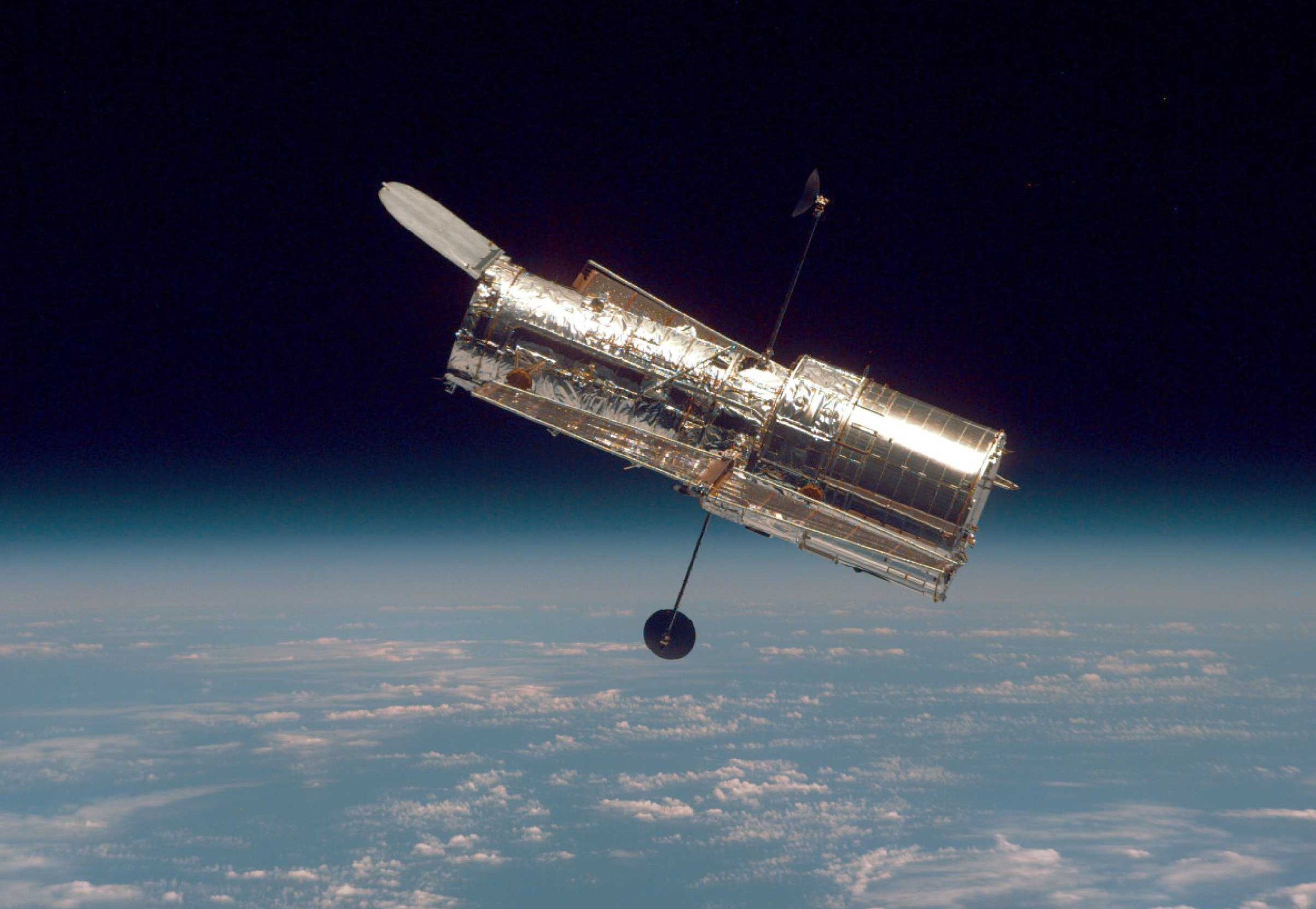
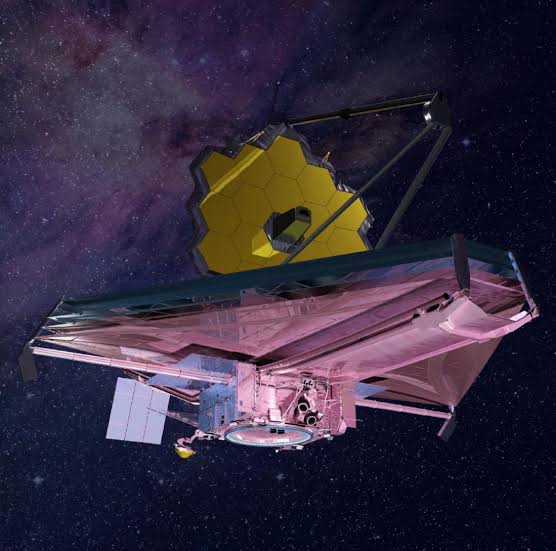
The Hubble Space Telescope and James Webb Space Telescope have played important but different roles in studying exoplanets.
Hubble has been studying exoplanets for many years. It has helped scientists investigate planetary atmospheres and the environments around distant stars. One particularly interesting Hubble result involved GJ 1132 b, where observations suggested that the planet may have developed a second atmosphere after losing its original one.
Hubble is also useful for studying stars in ultraviolet light. This helps astronomers understand how radiation from a star can affect nearby rocky planets and potentially strip away their atmospheres.
Webb, on the other hand, is designed mainly to observe the universe in infrared light. This makes it especially useful for studying the heat and atmospheres of distant planets. Its observations are now helping scientists examine rocky exoplanets in far greater detail, including worlds such as TRAPPIST-1 c, GJ 486 b and TOI-561 b.
The two telescopes are therefore not competitors. They complement each other. Hubble can help us understand the star and the radiation surrounding a planet, while Webb can examine the planet itself in infrared light.
We still cannot photograph the surface of these distant rocky worlds. Most of what we know comes from tiny changes in starlight and infrared radiation. Yet from these small signals, scientists can estimate a planet’s size, temperature, orbit and, in some cases, the possible composition of its atmosphere.
Conclusion
Advancements in technology have helped us go beyond simply identifying planets to understand and measure their environments. Each rocky world we discover teaches us more about how planets form and evolve and fills us with a sense of joy and surprise. Yet, some major questions remain: Do any of these worlds have oceans of water? Do they have a stable atmosphere? And most importantly, can they really harbor life?
With such a vast universe in front of us and so much left to discover, we, the inhabitants of one of the beautiful rocky planets, Earth, may one day find answers to all these questions.
Please go through these pages for detailed information on each of the topics
For more information see NASA’s Exoplanet Exploration (e.g. “Types of Exoplanets”),
the ESA webpages on Venus/Mercury (e.g. Venus Express, BepiColombo), the SETI Institute write-ups on JWST exoplanet results, and recent review papers on terrestrial planet science.