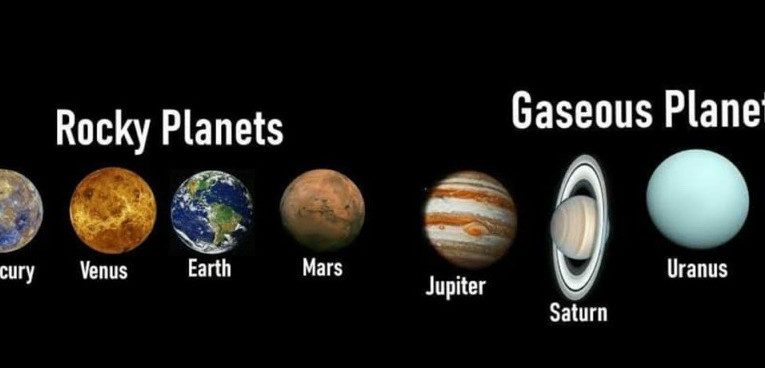
Throughout our universe, including our own solar system, there are many Earth-like planets having solid cores that could reveal to us the fascinating secrets of worlds built from stone and fire. We explore more of these truths in the following sections.
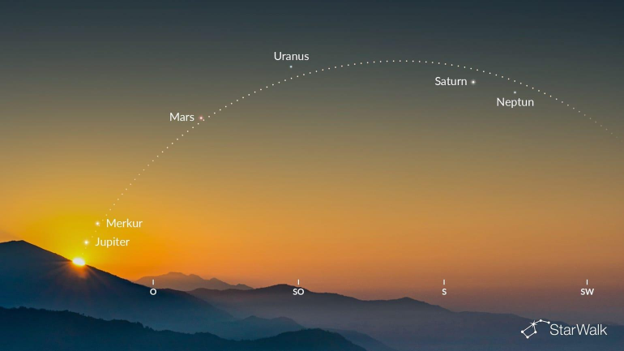
If you have ever dreamed of seeing multiple planets decorating the morning sky at the same time, 12 August 2026 is a date you should circle on your calendar. Before sunrise, six planets – Mercury, Jupiter, Mars, Saturn, Uranus, and Neptune – will appear stretched across the eastern sky in what astronomers popularly call a planet parade. While not all six planets will be visible with the naked eye, the event promises to be one of the most exciting astronomical spectacles of the year.
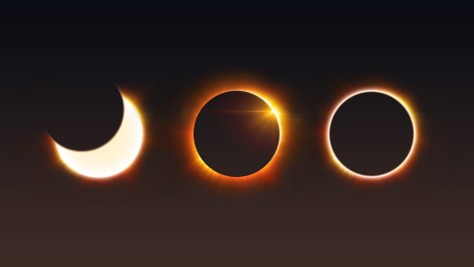
This year, in August 2026, we are going to witness not one but two exciting astronomical events. Within a span of just over two weeks, two different eclipses are going to occur.
Total Solar Eclipse – 12th August, 2026
Partial Lunar Eclipse – 27 – 28th August, 2026
This doesn’t happen very often, and below is a guide to help you understand and watch both of them.
While stars burn steadily for millions or billions of years, occasionally an icy comet sweeps through the inner solar system, unfurling a glowing tail across the dark canvas. This midyear, the highlight of the night sky belongs to this fascinating celestial time capsule.